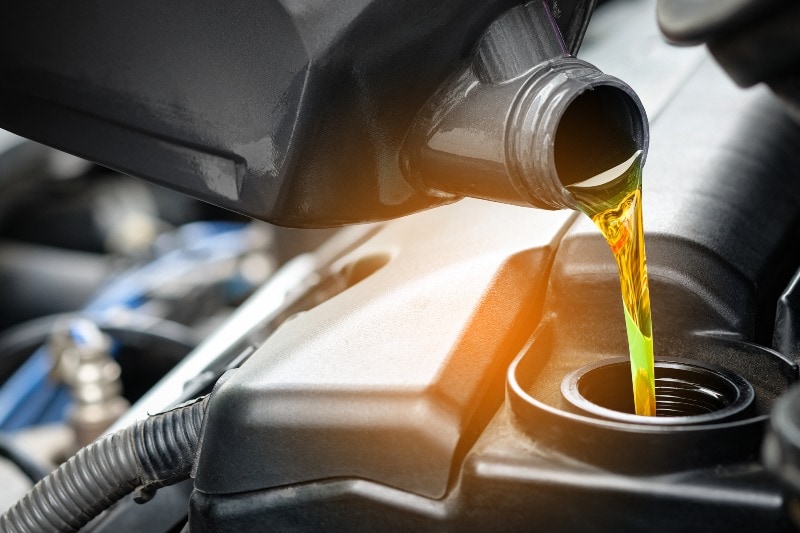
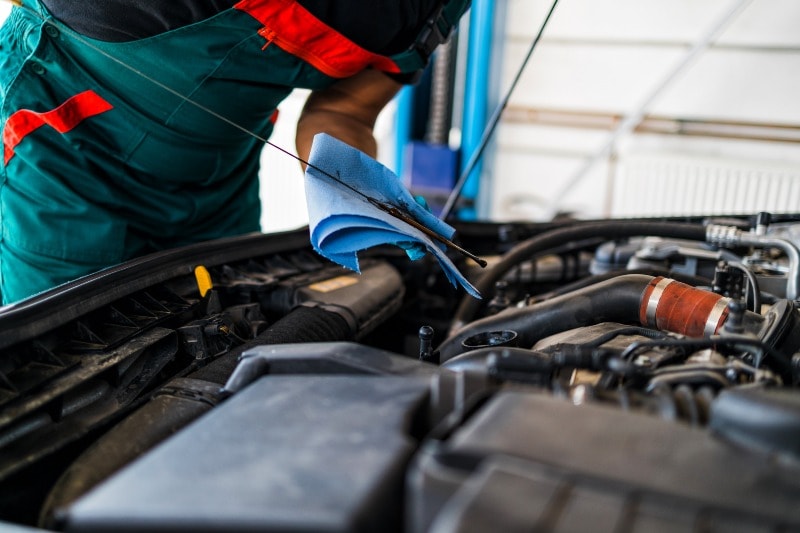
The Importance of Regular Oil Changes
Oil is your engine's
lifeblood, playing a crucial role in its overall health and performance. It
lubricates moving parts, reducing friction and wear, essential for maintaining
engine longevity. Oil helps cool the engine by dissipating heat generated
during operation, preventing overheating and potential damage. One of its
lesser-known benefits is its ability to prevent carbon deposits from building
up, which can degrade engine performance over time.
Choosing the
right type of motor oil is vital. It can significantly enhance your engine's
efficiency and fuel economy. Using the recommended oil for your Chevrolet
ensures the engine runs smoothly and reliably for years. Regular oil
changes are also
essential to maintaining optimal performance, as they remove contaminants that
accumulate over time. By prioritizing proper oil maintenance, you can enjoy a
more efficient and long-lasting driving experience in your Chevrolet.
Frequently Asked Questions (FAQs)
How Often Should I Change My Oil?
The
frequency of oil changes varies based on several factors, like driving habits
and oil type. For most Chevrolet vehicles, changing the oil every 3,000 to
5,000 miles is generally recommended. However, you can get a more precise
interval through the Engine Oil Life System, which assesses your specific
driving conditions. Regular oil changes are essential for maintaining engine
performance and longevity, so pay attention to these guidelines for optimal
care.
What Type of Oil Should I Use?
Selecting
the right motor oil is vital for your engine's health and performance.
Synthetic oil is known for its superior performance, especially in extreme
temperatures, and it typically lasts longer than conventional oil. While
standard oil is usually less expensive, it may require more frequent changes. Refer
to your owner's manual for specific recommendations, or consult our
certified technicians for guidance on the best oil type for your Chevrolet to ensure optimal
engine protection.
What Are the Signs That My Oil Needs
Changing?
Several
clear signs indicate it's time for an oil change. Look for dark and dirty oil
color, an increase in engine noise, or a significant drop in oil levels, all of
which suggest that the oil has lost its effectiveness. Ignoring these warning
signs can lead to wear and tear on your engine, resulting in costly repairs. When
you notice these indicators, scheduling an oil change is essential for
maintaining your vehicle's performance and longevity.
Does Driving Conditions Affect Oil
Change Frequency?
Yes, driving
conditions play a significant role in determining how frequently you should
change your oil. Short trips, extreme weather, and heavy towing can lead to a
shorter interval between oil changes. If you frequently drive in these
conditions, consider using synthetic oil, which offers improved performance and
resilience in harsh environments. Regularly assess your driving habits and
adjust your oil change schedule to protect your engine and maintain its
efficiency.